How to Plan an East African Safari from North America: Flights, Visas & Costs Explained
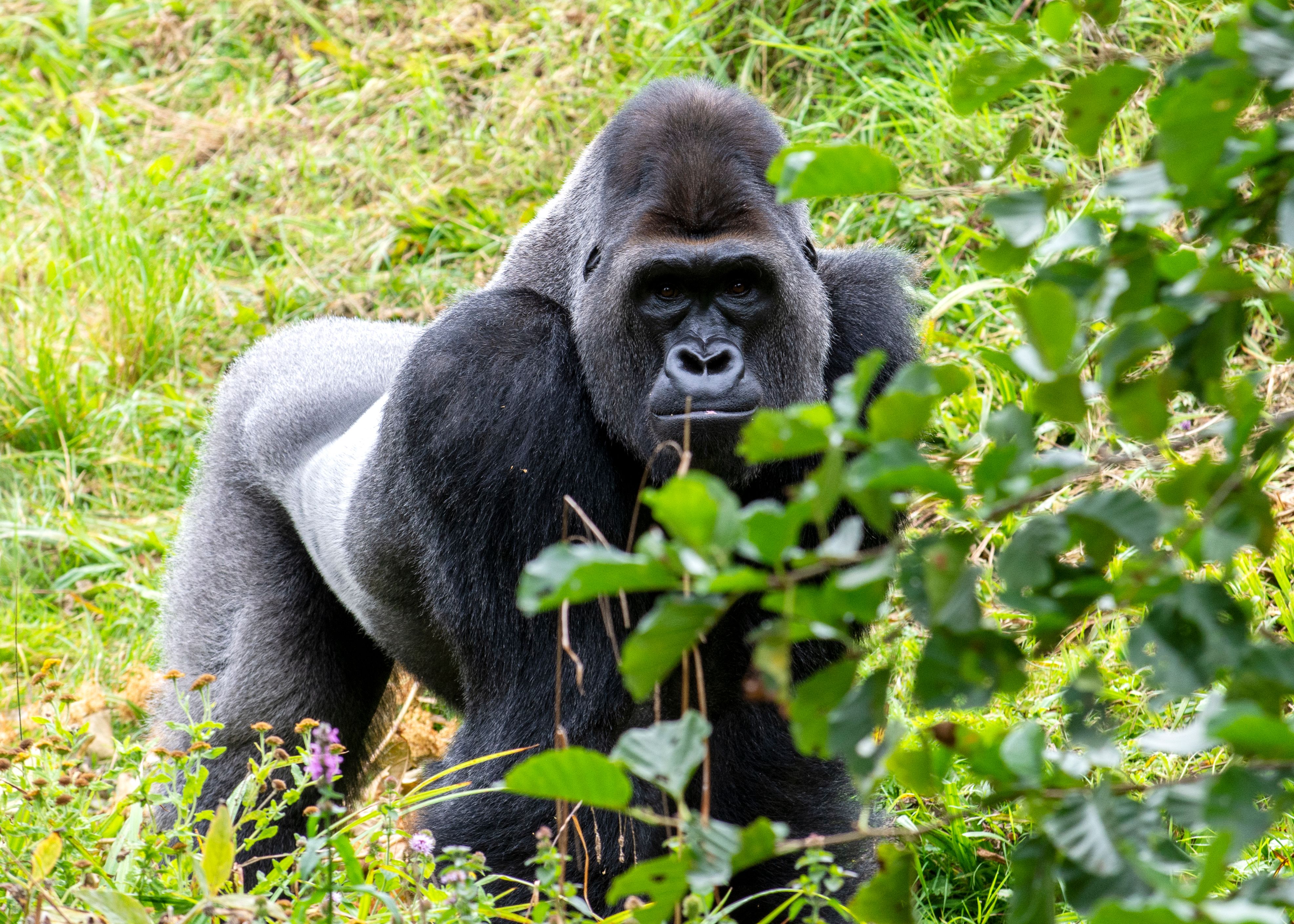
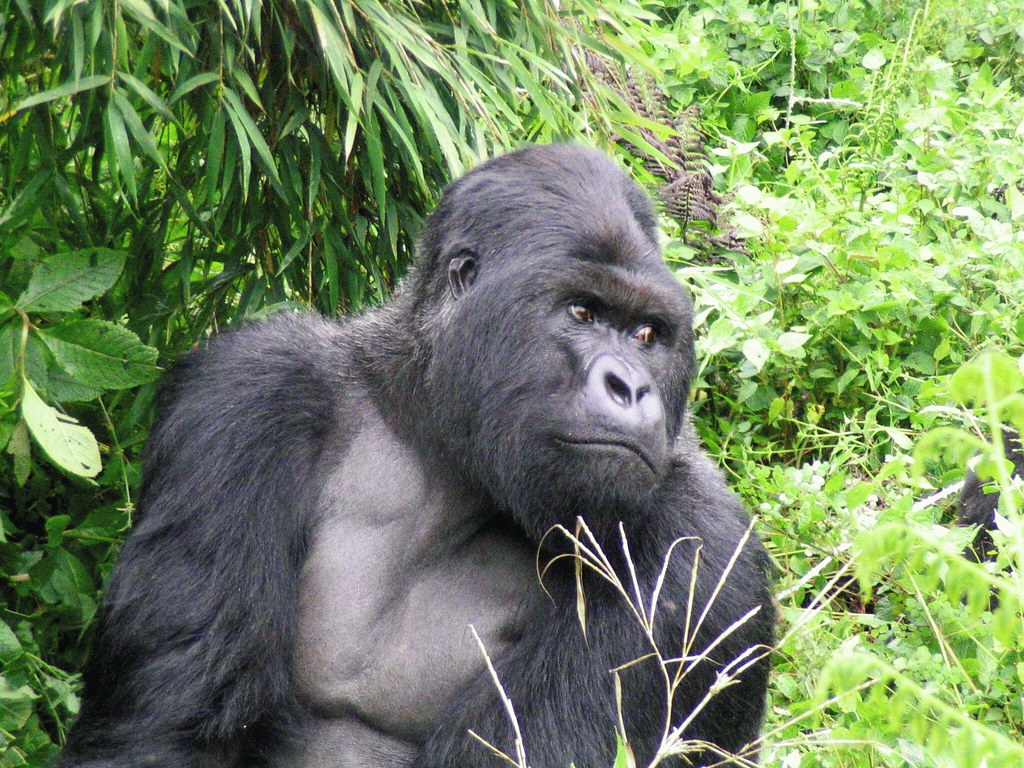
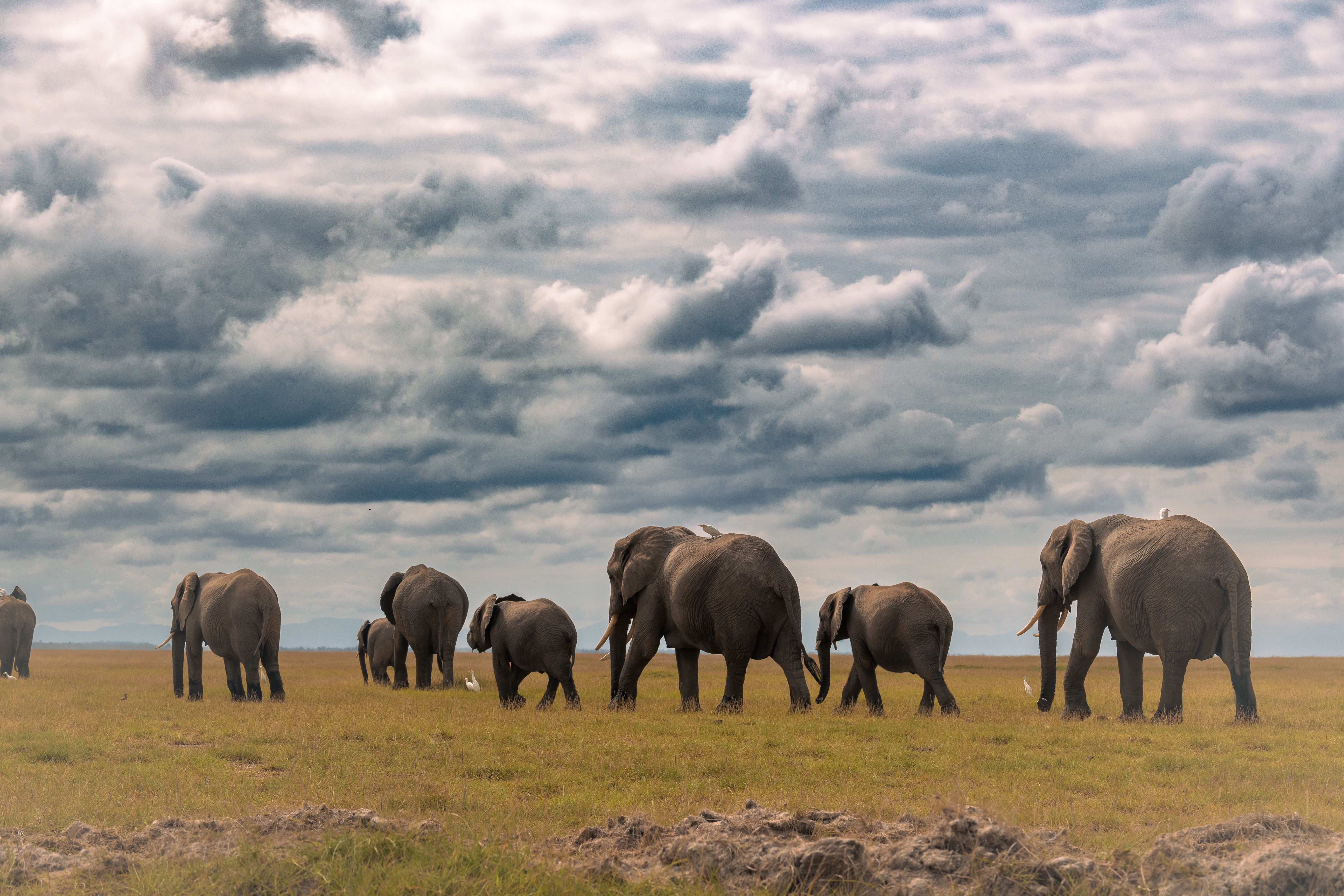
It is 8 a.m. in New York. You are clutching a coffee, your boarding pass, and a slightly nervous excitement. About twenty hours from now, one ocean, one continent, and one good night's sleep in seat 34A later, you will step off a plane into the warm, green air of Kigali, and within a day, you could be standing a few feet from a wild mountain gorilla, or watching the sun come up over a plain full of elephants.
Here is the thing: North American travelers often discover with delight that an East African safari is far more reachable than it looks from across the Atlantic. There is no nonstop flight, true, but the connections are smooth, the visas are simple, and the logistics, once you understand them, are genuinely straightforward. This guide walks you through every practical step: flights, jet lag, visas, vaccinations, and real costs in USD and CAD, so you can plan with confidence and spend your energy on what matters most: the adventure itself.
Whichever route and country you choose, DB Destiny connects you with carefully vetted local operators on the ground who handle the in-country details, so your job is to get there and be amazed.
Getting There: Flights from the USA and Canada
The first thing to know: there is no direct flight from North America to East Africa. Every route involves at least one connection, almost always through a European or Middle Eastern hub. That is not a hurdle; it is simply how the map works, and the layover is a chance to stretch your legs and reset.
Most travelers route through one of a handful of excellent hubs: Brussels, Amsterdam, Frankfurt, Istanbul, Doha, Addis Ababa, or Nairobi. The most popular gateway into the region — and DB Destiny's home base — is Kigali International Airport (KGL) in Rwanda, one of Africa's most modern and easy-to-navigate airports, just 15 minutes from the city center.
Typical Routes & Flight Times to Kigali (KGL)
| From | Total time* | Common airlines & hubs |
|---|---|---|
| New York (JFK/EWR) | ~18–21 hrs | Qatar Airways (Doha), Ethiopian (Addis), Brussels Airlines, Turkish (Istanbul), RwandAir/Kenya Airways via Europe |
| Washington (IAD) | ~18–19 hrs | Ethiopian Airlines (Addis Ababa) — often the quickest single-stop option |
| Los Angeles / San Francisco | ~24–26 hrs | Qatar, Turkish, Emirates+, often one stop in the Gulf or Europe |
| Toronto (YYZ) | ~19–22 hrs | KLM (Amsterdam), Qatar (Doha), Ethiopian, Turkish |
*Total travel time including one connection. Times vary by layover length and season.
As a rule of thumb, from the East Coast, you are looking at a long but very manageable travel day (think one transatlantic flight, a layover, then a shorter hop south). From the West Coast, build in a full day and a night of travel. The single-stop options through Doha (Qatar Airways) and Addis Ababa (Ethiopian Airlines) are often the smoothest, and Ethiopian's Washington–Addis–Kigali routing is one of the fastest into the region.
What You'll Pay for Flights
Round-trip economy fares from North America to Kigali typically run USD $850–$1,600, though they can climb toward $2,000+ in the busiest months. The cheapest fares tend to appear in the low-demand months (often February and the shoulder seasons), while June and December — peak safari and holiday travel — are the priciest.
- Book early: 3–6 months ahead for the best fares, and earlier still for June–September and December.
- Fly mid-week: Tuesday and Wednesday departures are often noticeably cheaper.
- Consider the hub: a slightly longer layover in Doha or Addis can save hundreds versus the fastest routing.
- Canadians: connecting through a European hub from Toronto is usually simpler than backtracking through a US gateway.
Beating the Jet Lag
Kigali sits in the Central Africa Time zone (GMT+2). That puts it about 7 hours ahead of New York, 8 hours ahead of Chicago, and 10 hours ahead of the West Coast. Crucially, you are travelling east, which most people find a little harder to adjust to, but a few simple habits make a real difference:
- Shift before you go: nudge your bedtime an hour earlier for a few nights' pre-trip.
- Sleep on the long leg: the transatlantic flight is usually overnight, treat it like night, eye mask on, screens off.
- Chase the sunlight: get outside in daylight as soon as you arrive; it resets your body clock faster than anything else.
- Hydrate, go easy on alcohol and caffeine, and resist the urge to nap for hours on arrival day.
- Build in a buffer day: arriving a day before your safari starts lets you land, sleep, and begin fresh. Kigali is a clean, safe, walkable city, a lovely place to ease in.
Visas: Simpler Than You Think
Good news for North American passport holders: East African visas are refreshingly straightforward, and for Rwanda, you do not need to arrange anything weeks in advance.
Rwanda
US and Canadian citizens can get a single-entry tourist visa for USD $50, either on arrival at Kigali International Airport or in advance as an eVisa through the official immigration portal. It is valid for 30 days. There is no need to use a third-party agent — apply directly through the government site or simply pay on arrival.
- Passport rule: must be valid for at least 6 months beyond your arrival date, with a blank page.
The East Africa Tourist Visa (the smart choice for multi-country trips)
If your safari spans more than one country — say, gorillas in Rwanda, more gorillas or chimps in Uganda, and big-cat country in Kenya — the East Africa Tourist Visa (EATV) is your best friend. For USD $100, it covers Rwanda, Uganda, and Kenya, is valid for 90 days, and allows multiple entries between those three countries. Apply online before you travel or on arrival.
- One catch: if you buy it in advance, your first entry must be through the country you applied from. Your DB Destiny operator can help you sequence this correctly.
Other Countries, at a Glance
- Uganda: a tourist visa is around USD $50, available as an eVisa (or covered by the EATV above).
- Kenya: now uses an Electronic Travel Authorisation (eTA) rather than a traditional visa — apply online before departure (or use the EATV). Rules here have changed recently, so confirm the current process before you book.
- Tanzania: US and Canadian visitors need a tourist visa (eVisa or on arrival); note that US citizens are typically issued a multiple-entry visa at a higher fee.
Visa rules change. Always confirm the latest requirements on the official government portal — or let your DB Destiny operator guide you — before you travel.
Vaccinations & Health
This is the section most first-timers worry about, and it is simpler than the worry suggests. Here is the honest, practical picture for 2026 — followed by an important reminder to confirm everything with a medical professional.
Yellow Fever — the one that can be mandatory
Yellow fever is the only vaccine in the region tied to entry rules, and the rules depend on where you have been:
- Arriving directly from the US or Canada (non-endemic countries), you generally do not need proof of yellow fever vaccination to enter Rwanda, Kenya, or Tanzania.
- Uganda is the exception: it requires a yellow fever certificate from all international travelers over one year of age, full stop.
- On multi-country itineraries flying between East African countries, crossing land borders, or transiting hubs like Nairobi or Addis Ababa, you will very often be asked for proof.
The practical takeaway: most safari travelers should simply get the yellow fever vaccine. It is a one-time shot that gives lifetime protection, must be given at least 10 days before travel at an approved center, and comes with the official yellow certificate (the "yellow card") you carry with your passport.
Recommended (not required, but wise)
- Hepatitis A and Typhoid are widely recommended for the region.
- Malaria prophylaxis essential for most safari areas; your doctor will advise on the right tablets and timing. (Note: high-altitude Volcanoes National Park gorilla country is low risk, but most savanna parks are not.)
- Make sure routine vaccinations (tetanus, MMR, polio) are up to date; Hepatitis B and rabies are worth discussing for longer or more remote trips.
Important: This is general travel information, not medical advice. Requirements change, and your personal health matters. See your doctor or a travel health clinic 6–8 weeks before departure, and check current guidance from the CDC (US) or the Government of Canada.
What Does an East African Safari Cost from North America?
Costs vary enormously with style, from comfortable mid-range lodges to once-in-a-lifetime luxury, but here is a realistic per-person snapshot to anchor your budget. Figures are in USD; Canadian travelers can estimate by adding roughly 35–40% for the exchange rate (check the current CAD/USD rate when you book).
| Item | Typical (USD) | Notes |
|---|---|---|
| Round-trip flights | $850 – $1,600 | Higher in June & December |
| Rwanda visa / EATV | $50 / $100 | EATV covers 3 countries |
| Gorilla permit (if trekking) | $800 – $1,500 | Uganda $800 / Rwanda $1,500 |
| Safari & lodging, per day | $350 – $800+ | Mid-range to luxury, usually all-inclusive |
| Vaccinations | $150 – $400 | One-time; varies by clinic |
| Tips, extras, porter | $150 – $400 | Budget for guide & camp tips |
A realistic 7–10-day mid-range safari, flights included, often lands somewhere around USD $4,000–$7,000 per person, more if you add a gorilla trek or choose luxury lodges, less if you travel in shoulder season and keep things simple. The single biggest variable is your style of lodging; the second is whether gorilla trekking is on the list.
For a full breakdown of the gorilla portion specifically, see our companion guide, Gorilla Trekking in Rwanda vs Uganda: The Complete 2026 Guide.
A Sample 8-Day Itinerary from North America
To make it concrete, here is how the pieces fit together for an East Coast traveler:
| Day | Experience |
|---|---|
| Day 1 | Depart your home city in the evening; overnight transatlantic flight to your hub (Doha, Addis, Brussels, etc.). |
| Day 2 | Connect to Kigali, arriving afternoon/evening. Transfer to your hotel, rest, and ease into the time zone. |
| Day 3 | Morning at leisure in Kigali (the Genocide Memorial is a moving, important visit); drive north toward Volcanoes National Park. |
| Day 4 | Gorilla trek in Volcanoes National Park, the unforgettable hour. Afternoon to recover. |
| Day 5 | Golden monkey trek, a cultural village visit, or transfer toward Akagera for the savanna game. |
| Day 6 | Big-game safari in Akagera National Park — lions, elephants, rhinos, the Big Five. |
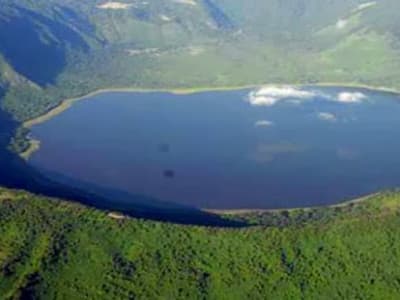
| Day 7 | Relax at Lake Kivu or add an extra game drive; return toward Kigali. |
| Day 8 | Morning departure from Kigali; arrive home the same day (you gain time flying west). |
Want to add Kenya's Maasai Mara or Tanzania's Serengeti? The EATV and good regional flight connections make a two- or three-country trip very doable — your DB Destiny operator can stitch it together seamlessly.
Quick Packing Essentials
- Passport valid 6+ months, with printed copies of visas/eTA and your yellow fever certificate
- Neutral-colored clothing (avoid bright colors and dark blue/black, which attract tsetse flies)
- A warm layer — East African mornings and high-altitude gorilla country are surprisingly cool
- Sturdy, broken-in walking shoes or boots; sandals for camp
- Binoculars, a good camera, and plenty of memory and battery
- Sunscreen, insect repellent, a refillable water bottle, and any personal medications
- A power adapter (Rwanda/Uganda/Kenya use Type C/G; Tanzania Type D/G) and a power bank
- US dollars in cash (newer bills) for tips, visas, and small purchases
Ready to Plan Your Safari?
You now know the routes, the visas, the shots, and the numbers. The only thing left is the best part, building the trip itself. And you do not have to do that alone.
DB Destiny connects North American travelers with carefully vetted local operators across Rwanda, Uganda, Kenya, Tanzania, and Burundi. We handle permits, timing, transfers, and the tricky logistics, so your safari is clear, safe, and unforgettable from the moment you book to the moment you land back home.
➤ Browse Rwanda Safari Tours
➤ Customize Your Own Safari
Frequently Asked Questions
Is there a direct flight from the US to East Africa?
No. All routes connect through a European or Middle Eastern hub such as Doha, Addis Ababa, Brussels, Amsterdam, or Istanbul. From the East Coast, total travel time is roughly 18–21 hours; from the West Coast, around 24–26.
Do US and Canadian citizens need a visa for Rwanda?
Yes, but it is easy: a $50 single-entry tourist visa, available on arrival at Kigali airport or online as an eVisa. For multi-country trips, the $100 East Africa Tourist Visa covers Rwanda, Uganda, and Kenya.
Do I need a yellow fever vaccine?
Not to enter Rwanda, Kenya, or Tanzania directly from the US or Canada. But Uganda requires it for all travelers, and multi-country routes often trigger it — so most safari travelers should get it. Confirm with a travel clinic.
How much does an East African safari from North America cost?
A 7–10-day mid-range trip, including flights, typically runs about $4,000–$7,000 per person. Gorilla trekking and luxury lodges add to that; shoulder-season travel reduces it.
When is the best time to go?
The dry seasons, June to September and December to February, offer the best game viewing and easiest trekking. They are also the busiest and priciest, so book early.
How far in advance should I book?
Three to six months for most trips, and earlier for peak season or if gorilla trekking is involved, since permits and the best lodges sell out well ahead.
Is it safe?
Rwanda is consistently rated among the safest countries in Africa, and tourism infrastructure across the region is well developed. As anywhere, travel with a reputable operator and follow local guidance.
You Might Also Enjoy

5 Days Birding Safari in Rwanda

8 Days Luxury Tours experience in Uganda.

1 DAY GORILLA TREKKING SAFARI IN RWANDA
DAY TRIP TO LAKE MANYARA NATIONAL PARK
3 Days Congo Nile trail adventure