Gorilla Trekking in Rwanda vs Uganda: The Complete 2026 Guide
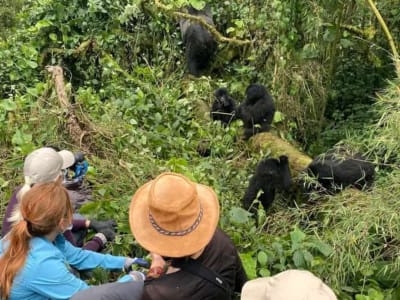
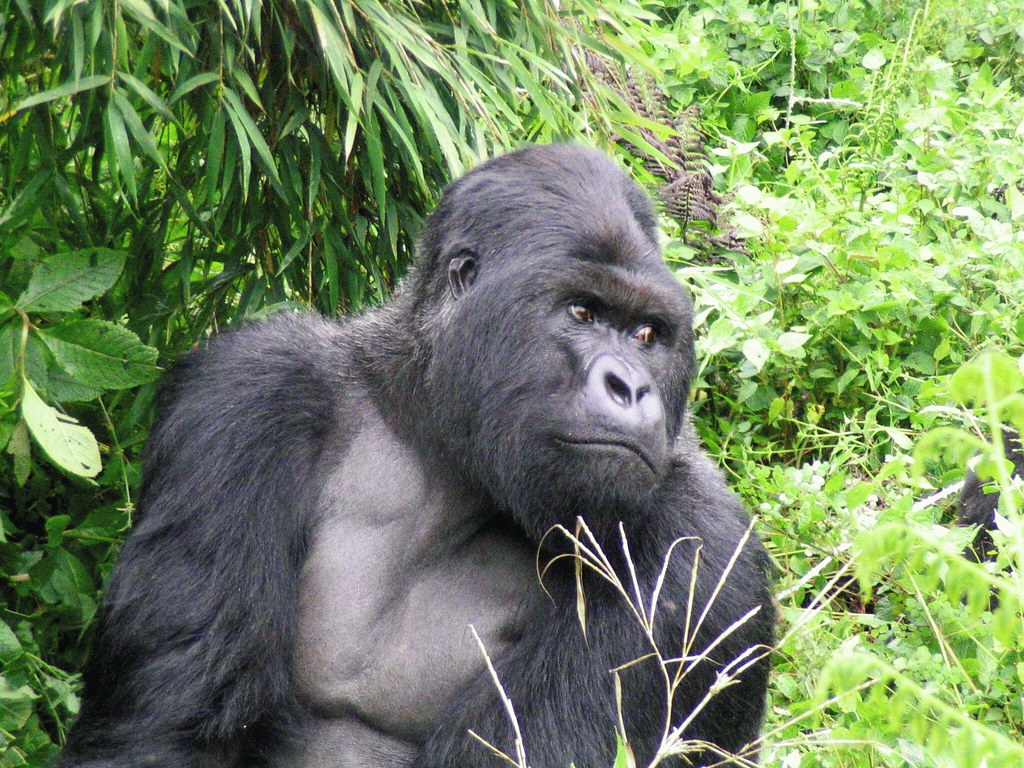
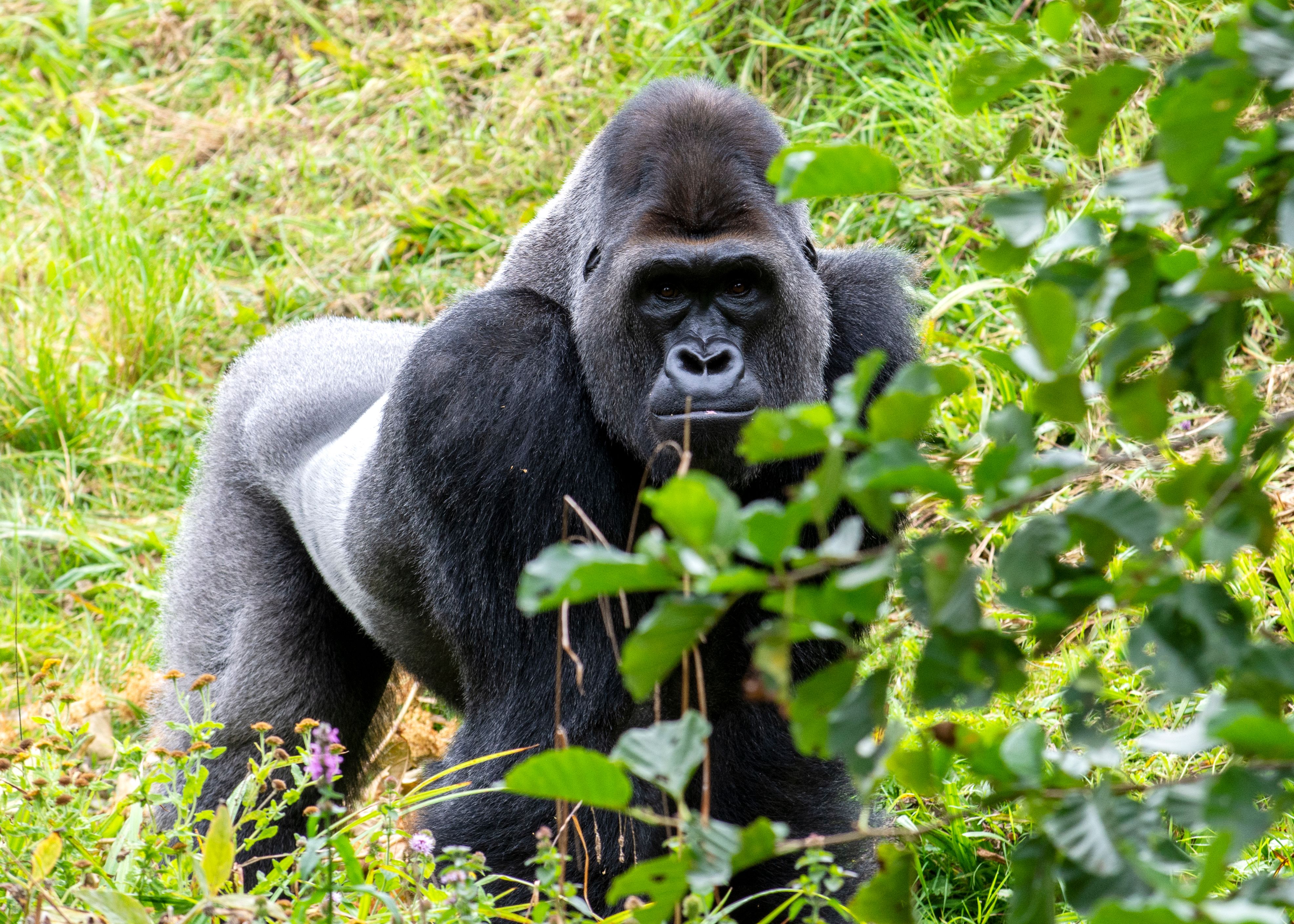
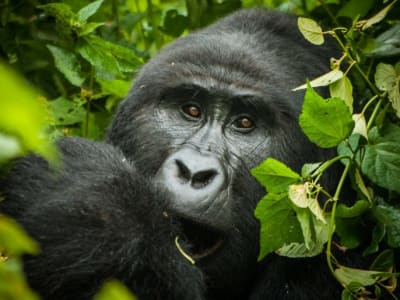
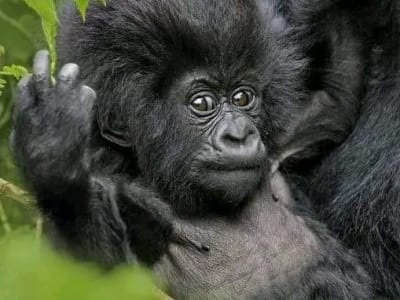
The forest goes quiet first. Then you hear it, a low, rumbling contentment, somewhere in the green, like a distant engine idling. Your guide lifts a hand, and you freeze. And there, no more than seven metres away, a silverback the size of a small car shifts his weight, turns his head, and looks directly at you. For one long, electric moment, two great apes regard each other across a few feet of mountain rainforest. Then he yawns, rolls onto his back, and a tiny infant tumbles over his belly. You forget to breathe.
This is gorilla trekking, arguably the single most powerful wildlife encounter left on Earth. Fewer than 1,100 mountain gorillas remain in the wild, and they live in only two places on the planet: the misty volcanic chain shared by Rwanda, Uganda, and the Democratic Republic of Congo, and Uganda's ancient Bwindi Impenetrable Forest. To stand among them, you will need a permit, a reasonable pair of legs, and one important decision to make first: Rwanda or Uganda?
This guide answers that question in full. We compare permits, costs, difficulty, access, scenery, and the best time to travel, and then we help you choose the country that fits your budget, fitness, and travel style. Whichever you pick, DB Destiny connects you with carefully vetted local operators who make the journey clear, safe, and unforgettable.
Why Gorilla Trekking Is a Once-in-a-Lifetime Experience
Mountain gorillas cannot survive in captivity; there is not a single one in any zoo on Earth. The only way to see them is to walk into their world, on foot, where they live. That alone makes this rarer than almost any safari experience.
There are roughly 1,000–1,100 mountain gorillas left, split between the Virunga Massif (a cluster of dormant volcanoes straddling Rwanda, Uganda, and the DRC) and Uganda's Bwindi Impenetrable Forest. Remarkably, they are one of the few great apes whose numbers are rising — a genuine conservation success story funded almost entirely by the permits travellers buy. When you trek, you are not just sightseeing; you are paying the salaries of the rangers and trackers who keep these animals alive.
A standard trek gives you exactly one hour in the presence of a habituated gorilla family, once you find them — a strict rule designed to protect the animals from stress and disease. It is, by universal agreement of everyone who has done it, more than enough to change how you see the world.
Rwanda or Uganda? The Decision Every Traveler Faces
Here is the truth: you will have an extraordinary experience in either country. It is the same species, the same hour of magic, the same gentle giants. The differences are about everything around that hour — how much you pay, how hard you walk, how you get there, and what kind of trip you want to build around it.
A quick word on a third option: gorillas also live in the DRC's Virunga National Park, where permits are cheaper. For most international travellers, we do not recommend it; the security situation is unpredictable, and access is unreliable. For a safe, world-class experience, Rwanda and Uganda are the two destinations that matter, and they are where DB Destiny focuses. Here is how they stack up.
Rwanda vs Uganda at a glance
| Rwanda | Uganda | |
|---|---|---|
| Where | Volcanoes National Park (Virunga Mountains) | Bwindi Impenetrable Forest & Mgahinga |
| Permit cost (2026, foreign non-resident) | USD 1,500 per trek | USD 800 per trek (USD 600 in low season) |
| Access from the international airport | 2.5–3 hrs by road from Kigali — the easiest in Africa | 8–10 hrs by road from Entebbe, or a short domestic flight; ~4 hrs from Kigali to southern Bwindi |
| Trek difficulty | Generally shorter and more moderate | Steep, dense, often more strenuous |
| Habituated families | ~12–14 families | ~20+ families across 4 Bwindi sectors |
| Scenery | Dramatic volcanic cones, bamboo slopes, open vistas | Thick ancient rainforest, biodiversity-rich |
| Time with gorillas | 1 hour | 1 hour (or 4 hours on the habituation experience) |
| Best for | Comfort, convenience, luxury lodges, short trips | Value, deeper wilderness, longer adventures, combining with other parks |
Gorilla Trekking in Rwanda: Volcanoes National Park
Rwanda has positioned itself as the premium, low-volume gorilla destination, and it does so brilliantly. Volcanoes National Park sits in the country's northwest, a comfortable 2.5–3-hour drive from Kigali International Airport on smooth, paved roads. You can land in the evening, sleep near the park, trek the next morning, and be back in Kigali for dinner. For travellers with limited time or limited patience for long transfers, this convenience is hard to beat.
The park protects around 350 gorillas in a dozen-plus habituated families, with permits capped to keep daily visitor numbers low. The terrain tends to be more forgiving than Bwindi's: trails climb the lower slopes of the volcanoes through farmland and bamboo, and early-morning treks are often shorter. It is also home to the Dian Fossey Karisoke research legacy, a poignant layer of history for anyone who grew up on Gorillas in the Mist.
The Rwanda Permit
- Cost (2026): USD 1,500 per person, per trek, for foreign non-residents. Unchanged from recent years.
- Low-season offer: a ~30% discount (about USD 1,050) is available in some of the quieter months (roughly November–May), but only if you also book at least two nights in Akagera or Nyungwe National Park.
- Issued by the Rwanda Development Board (RDB), online via the Irembo platform, though most travellers let their operator secure it.
- Includes: park entry, a guide, trackers, and one hour with the gorillas. It does not include porters, tips, transport, lodging, or meals.
Rwanda is the right choice if you value comfort and convenience, you are short on time, you want easy access and excellent lodges, or you would rather a moderate hike than a punishing one, and the higher permit price fits your budget.
Gorilla Trekking in Uganda: Bwindi Impenetrable Forest
Uganda is home to roughly half the world's mountain gorillas, most of them in the aptly named Bwindi Impenetrable Forest, a dense, dripping, 25,000-year-old rainforest that is one of the most biodiverse places in Africa. If Rwanda is the polished, accessible option, Uganda is the wilder, more adventurous, and considerably more affordable one.
Bwindi has four trekking sectors — Buhoma, Ruhija, Rushaga, and Nkuringo — spread across the forest, each with multiple habituated families and its own character and difficulty. The trade-off for the lower price is effort and time: the terrain is steep and tangled, treks can be long and muddy, and reaching Bwindi takes more travel. Most visitors either fly from Entebbe to a nearby airstrip, drive 8–10 hours overland (a real journey in itself), or, increasingly popular, fly into Kigali and cross the border to southern Bwindi in around four hours.
The Uganda Permit
- Cost (2026): USD 800 per person, per trek, for foreign non-residents.
- Low-season rate: USD 600 in April, May, and November — a genuine saving, but these discounted permits cannot be rescheduled, so be certain of your dates.
- Pay-at-booking rule (new in 2026): the Uganda Wildlife Authority removed the old 7-day hold window. Permits must now be paid in full at the time of booking, so they are confirmed instantly, and they sell out fast.
- Gorilla Habituation Experience: for the truly committed, this lets you spend up to four hours with a semi-habituated family. From 1 July 2026, it costs USD 1,800 per person.
- Issued by the Uganda Wildlife Authority (UWA).
Uganda is the right choice if you want better value, a deeper wilderness feel, the option of four hours with the gorillas, or you are building a longer trip that combines gorillas with chimpanzees, savanna parks, and more, and you do not mind a tougher hike and longer travel.
Permits and Costs: What You Actually Pay
The permit is the headline number, but it is not the whole picture. A realistic gorilla trekking budget also includes lodging, transfers, an experienced guide, optional porters, tips, and the rest of your itinerary. Here is how the core permit costs compare for 2026 and what they include.
| Permit | Rwanda | Uganda |
|---|---|---|
| Standard trek (1 hour) | USD 1,500 | USD 800 |
| Low-season rate | ~USD 1,050 (Nov–May, with 2 nights in Akagera/Nyungwe) | USD 600 (April, May, November; non-rescheduled) |
| Habituation (4 hours) | Not offered | USD 1,800 (from 1 July 2026) |
| Minimum age | 15 years | 15 years |
In both countries, the permit covers park entry, your guide, the trackers who locate the family in advance, and your hour (or four) with the gorillas. It does not cover lodging, meals, transport, tips, or a porter, and you should absolutely hire a porter (around USD 15–20). They carry your pack, give you a steadying hand on slick slopes, and your money supports the local community, often including reformed former poachers.
Book early. Permits are strictly limited, and the best dates vanish months ahead. Typically, they are booked 3–6 months in advance, and 6–12 months for peak periods like December and the dry-season summer. This is the single most important piece of planning advice in this entire guide.
Best Time to Go Gorilla Trekking
You can trek year-round in both countries; the gorillas do not migrate, and the forest is always there. But the experience changes with the seasons.
- Dry seasons (best overall): June to September (the long dry season) and December to February (the short dry season). Trails are firmer, treks are easier, and photography is better. This is peak season, so permits and lodges book up far in advance.
- Wet seasons (March–May, October–November): greener, quieter, and cheaper. This is when both countries offer their permit discounts. Rain in these forests usually means short, intense showers rather than all-day downpours, and the forest stays trekkable. Trails are muddier, so good boots matter more.
If budget is a priority, the wet-season discounts are a real opportunity, especially Uganda's USD 600 low-season permit. If comfort and firm footing are priorities, aim for the dry months and book early.
How Fit Do You Need to Be?
Gorilla trekking is demanding but achievable for most reasonably healthy adults. The trek can last anywhere from one to seven hours round trip, depending entirely on where the gorillas have moved that day — you are walking until you find them, then walking back. The terrain is hilly, often muddy, and at altitude (roughly 2,000–3,000 metres), which makes the effort feel harder than the distance suggests.
The good news: you can request a gorilla family matched to your fitness level, with rangers placing fitter trekkers on the longer, higher routes. Rwanda's treks are generally more moderate; Bwindi's are steeper. People in their 60s and 70s complete these treks regularly. In Uganda, a sedan-chair service (carried by porters) is even available for those with mobility limitations, typically for an extra fee.
To prepare: do some hill walking or stair training in the weeks before you travel, break in your boots, and arrive hydrated and rested. You do not need to be an athlete; you need to be willing.
What to Pack for a Gorilla Trek
A few well-chosen items make an enormous difference in a wet, steep rainforest:
- Waterproof, broken-in hiking boots with good ankle support
- Long trousers and a long-sleeved shirt (tuck trousers into socks to keep biting ants out)
- Lightweight rain jacket — the forest earns its name
- Gardening or work gloves for gripping wet vegetation and nettles
- A daypack with at least 2 litres of water and energy snacks
- Insect repellent and sunscreen
- A camera (no flash — it is not allowed near the gorillas) and a dry bag to protect it
- Gaiters, if you have them, and a walking pole or two
Responsible Gorilla Tourism: The Rules That Protect Them
Mountain gorillas share roughly 98% of our DNA, which is exactly why the rules are strict; they can catch our illnesses. Following them is not bureaucracy; it is conservation in action:
- Keep at least 7 metres (about 10 metres is now always encouraged) from the gorillas.
- No visiting if you are ill; a cold can be deadly to a gorilla. Many parks now require a face mask in their presence.
- Groups are limited to 8 visitors per family, for one hour only.
- No flash photography, no eating near the animals, and stay calm and quiet — follow your guide's every instruction.
Your permit fee is the engine of this whole system. A significant share funds anti-poaching patrols, veterinary care, and community projects around the parks, giving local people a direct, tangible reason to protect the forest. When you trek responsibly, you become part of one of the planet's most hopeful conservation stories.
So, Which Should You Choose? A Quick Decision Guide
Match yourself to the traveller type that fits best:
- The time-pressed first-timer: Rwanda. Land in Kigali, trek the next morning, minimal transfers, gentler hike.
- The budget-conscious adventurer: Uganda. The USD 800 permit (or USD 600 in low season) leaves more room for a richer, longer trip.
- The luxury traveller: Rwanda. World-class lodges, seamless logistics, and the prestige of a low-volume destination.
- The serious wildlife enthusiast: Uganda — consider the 4-hour habituation experience for an unforgettable depth of encounter.
- The all-in safari planner: Uganda pairs naturally with chimps in Kibale and savanna game in Queen Elizabeth or Murchison Falls. Many travellers from both countries also fly into Kigali, trek in Rwanda, and cross to Bwindi.
- Still torn? Pick by your priority: choose Rwanda for ease and comfort, Uganda for value and adventure. There is no wrong answer.
Ready to Meet the Gorillas?
You have read the guide. You have pictured the silverback, the misty slopes, that one electric hour. Now it is time to make it real, with a local operator you can trust, not a faceless booking engine. DB Destiny connects you with carefully vetted local operators across Rwanda, Uganda, Kenya, and Tanzania. We handle the permits, the timing, the logistics, and the difficult questions, so all you have to do is show up and be amazed.
➤ Browse Rwanda Tours
➤ Browse Uganda Tours
➤ Customize Your Own Gorilla Safari
Frequently Asked Questions
Is gorilla trekking in Rwanda or Uganda cheaper?
Uganda is cheaper. A 2026 permit is USD 800 (or USD 600 in low season) versus USD 1,500 in Rwanda. Factor in travel too: Rwanda's lower transfer costs and time can narrow the overall gap for short trips.
How much does a gorilla trekking permit cost in 2026?
Rwanda: USD 1,500 per person (about USD 1,050 in low season with a qualifying booking). Uganda: USD 800 standard, USD 600 in April, May, and November, and USD 1,800 for the 4-hour habituation experience from July 2026.
How long do you spend with the gorillas?
One hour on a standard trek in both countries — a strict rule to protect the animals. Uganda's habituation experience extends this to four hours with a semi-habituated family.
What is the minimum age for gorilla trekking?
15 years old in both Rwanda and Uganda. There is no upper age limit, but it is a physically demanding activity.
How fit do I need to be?
Reasonably fit. Treks range from one to seven hours over hilly, often muddy terrain at altitude. You can request an easier or harder family to match your fitness, and porters are available to help.
When is the best time to go?
The dry seasons, June to September and December to February, offer the easiest trekking. The wetter months are greener, quieter, and cheaper, with discounted permits available.
How far in advance should I book?
Three to six months ahead for most dates, and six to twelve months for peak periods. Permits are strictly limited, and Uganda now requires full payment at booking, so the best dates go quickly.
Can I do both Rwanda and Uganda in one trip?
Yes, and many travellers do. A popular route flies into Kigali, treks in Rwanda's Volcanoes National Park, then crosses the border to southern Bwindi in Uganda, about four hours' drive.
You Might Also Enjoy
3-Day Uganda Gorilla Trekking Tour
1 DAY GORILLA TREKKING SAFARI IN RWANDA
2 Days for Gorilla trekking